
Patient story
Travelling Abroad with CHD
A gap between jobs recently gave me a rare opportunity: five weeks to explore Central America with my partner. Alongside the excitement came the familiar questions many people with Congenital Heart Disease (CHD) will recognise. Have I prepared enough? What if something happened far from specialist care? Am I being sensible, or letting anxiety get the better of me?
My heart condition is fortunately stable, I take very little medication, and I have a good exercise tolerance. I therefore realise my experience may not be representative of everyone living with congenital heart disease. Nevertheless, I thought it might be helpful to share how preparation allowed me to enjoy the trip with confidence rather than apprehension. For me, preparation is less about worrying and more about creating freedom. I know I am sensitive to dehydration, so I always carry plenty of water, a cap to protect myself from the sun, and Dioralyte to replace fluids and salts if needed. I also carry disinfectant supplies so even a small scratch can be cleaned promptly. This allows me to take part in a wide range of activities. My partner and I have always preferred travelling independently rather than joining organised tours. I find it gives me greater control. We can travel at our own pace, build in rest days , and adapt our plans depending on how I am feeling.
While travelling, my biggest source of anxiety has never really been my heart condition itself. It is the possibility of having an accident or another illness requiring hospital treatment somewhere with limited experience in managing rare CHD. That makes me particularly careful about everyday risks, especially road traffic and food hygiene, reinforcing the importance of prevention. Before travelling, I made sure my vaccinations were up to date, including tetanus, hepatitis A and B, typhoid, rabies and pneumococcal vaccination where appropriate. I would strongly encourage anyone planning a trip to visit their GP or travel clinic well in advance. Before any long trip, I also like to have had a recent cardiology review and a dental check-up, and I discuss significant travel plans with my ACHD team. Their advice is usually reassuring, practical and empowering rather than restrictive.
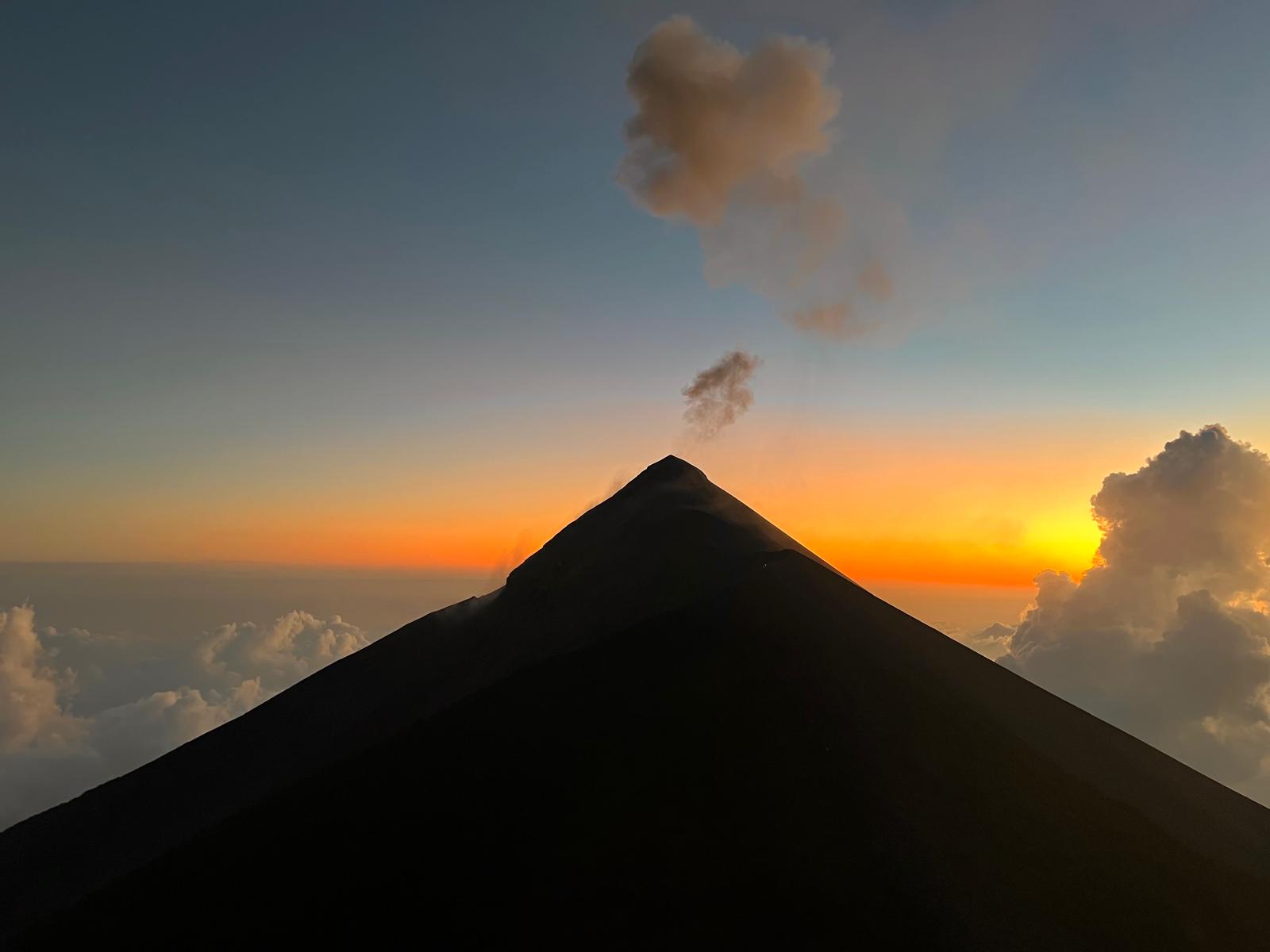
During our trip, I nearly abandoned the idea of climbing Acatenango Volcano in Guatemala (pictured) because of its altitude of around 3,600 metres. It was my partner who encouraged me to email my ACHD team . Their reply came promptly and was both reassuring and encouraging. In the end, I made it by taking one step at a time and moving at my own pace. As the air became thinner, the climb grew more demanding, but I stayed mindful of how I was feeling. We eventually reached base camp and watched one of the most extraordinary landscapes I have ever seen. Without that simple act of proactive communication, I would have missed one of the most remarkable experiences of my life.
Living with congenital heart disease means acknowledging our vulnerabilities, but it does not mean abandoning adventure. We all have different diagnoses, levels of exercise tolerance and limitations. We cannot always control our condition, but we can prepare, adapt and communicate.
K.B.
For more travel information click on the image below
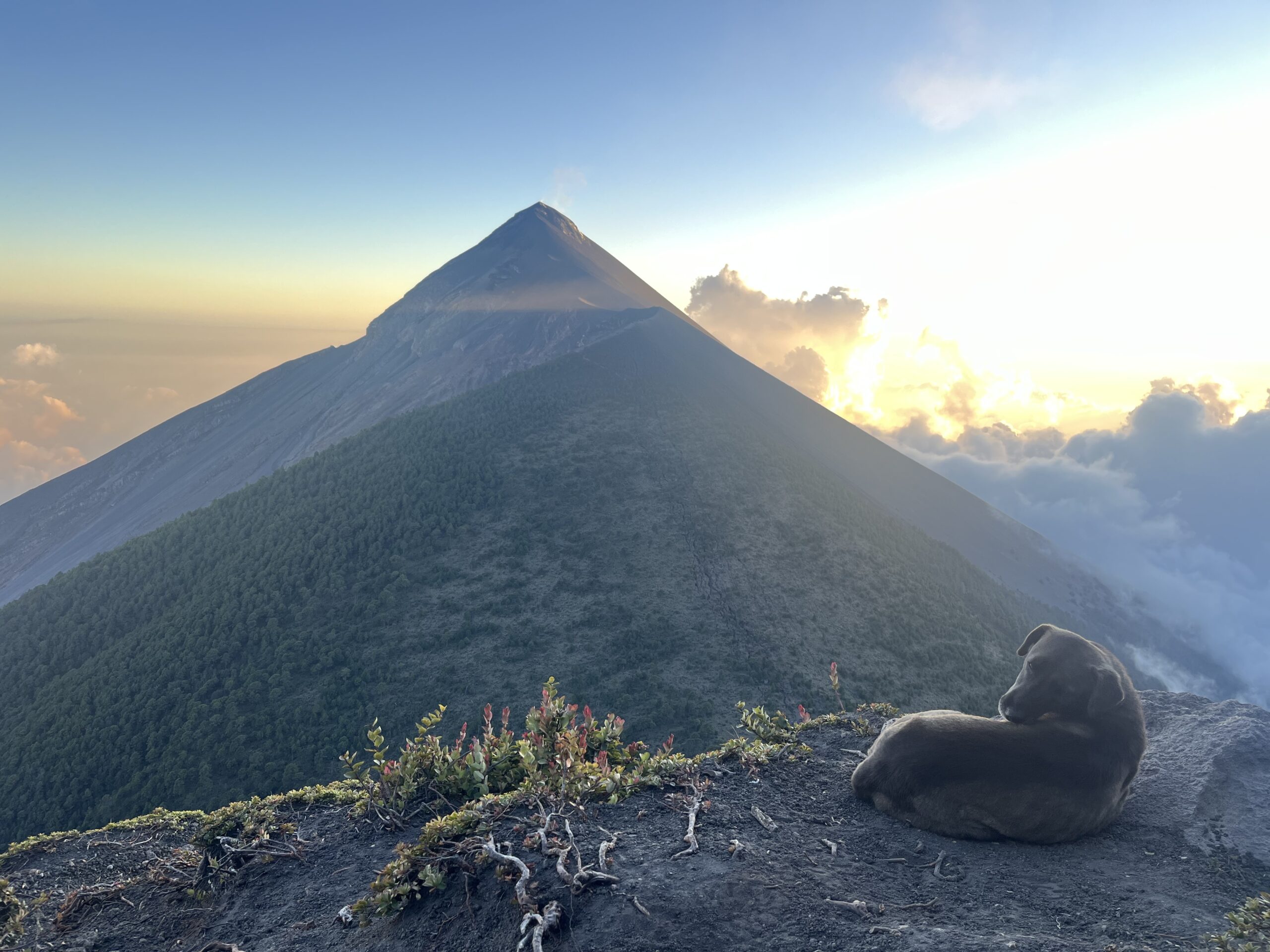
Acatenango Volcano in Guatemala